
SOLUTIONS & APPLICATIONS
Solutions
Early-warning architectures for every risk and operating environment.
SAT Soluciones engineers systems around each organization’s risk, territory and operations—from earthquakes, tsunamis and floods to applications in municipalities, mining, industry, energy, healthcare, education and critical infrastructure.
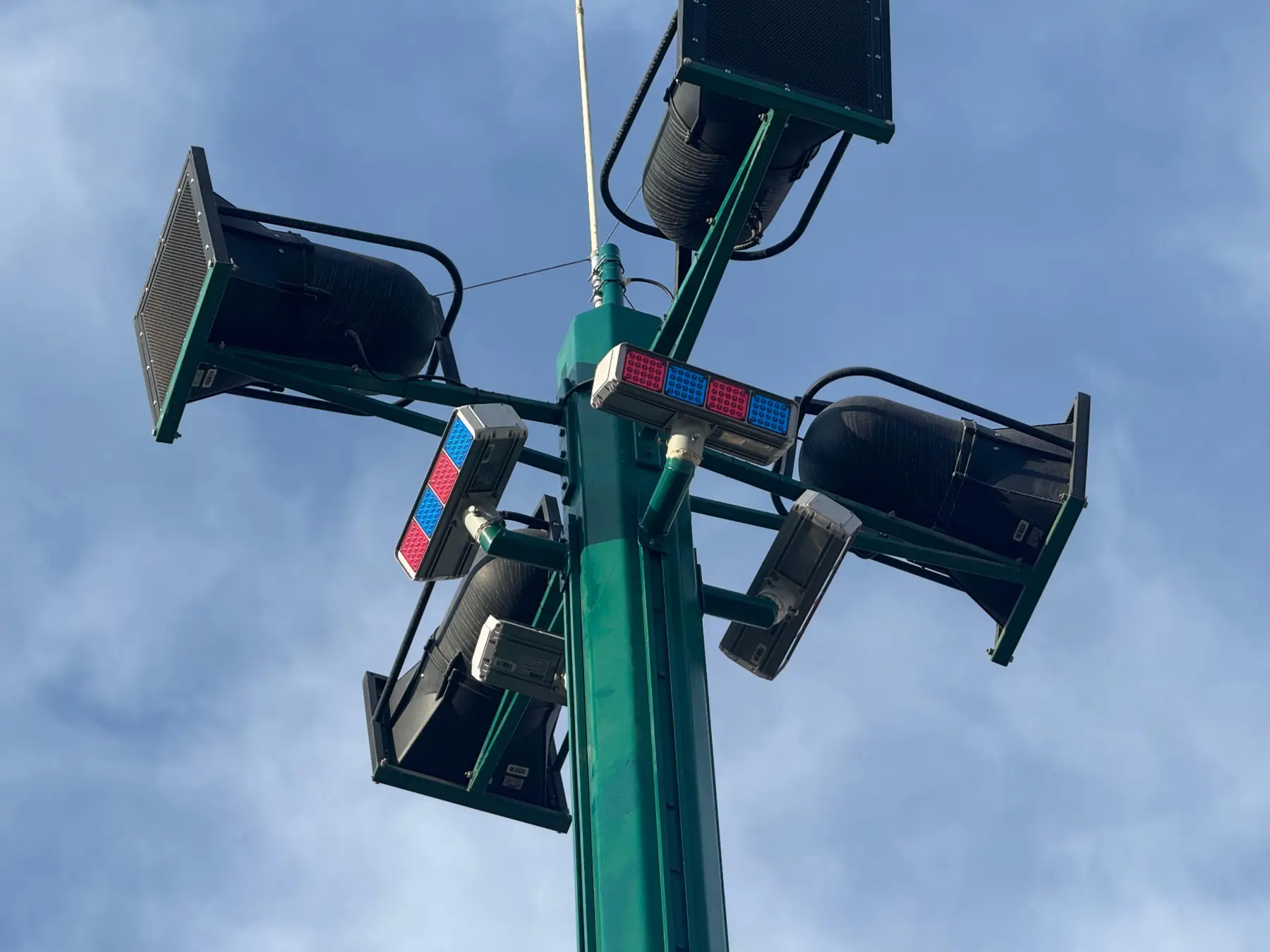
THE CHALLENGE
Risks evolve. Response must evolve with them.
An emergency can affect people, infrastructure, communications and operations at the same time. Information alone is not enough; it must become coordinated decisions, warnings and actions.
Vulnerable communications
Untargeted warnings
No automated response
APPLIED ENGINEERING
From identified risk to operational response
We engineer Early Warning Systems around actual hazards, coverage, connectivity and each organization’s protocols. Every architecture integrates monitoring, platform, communications, dissemination and automation with local technical accountability.
AVAILABLE ARCHITECTURES
Hazard-specific solutions
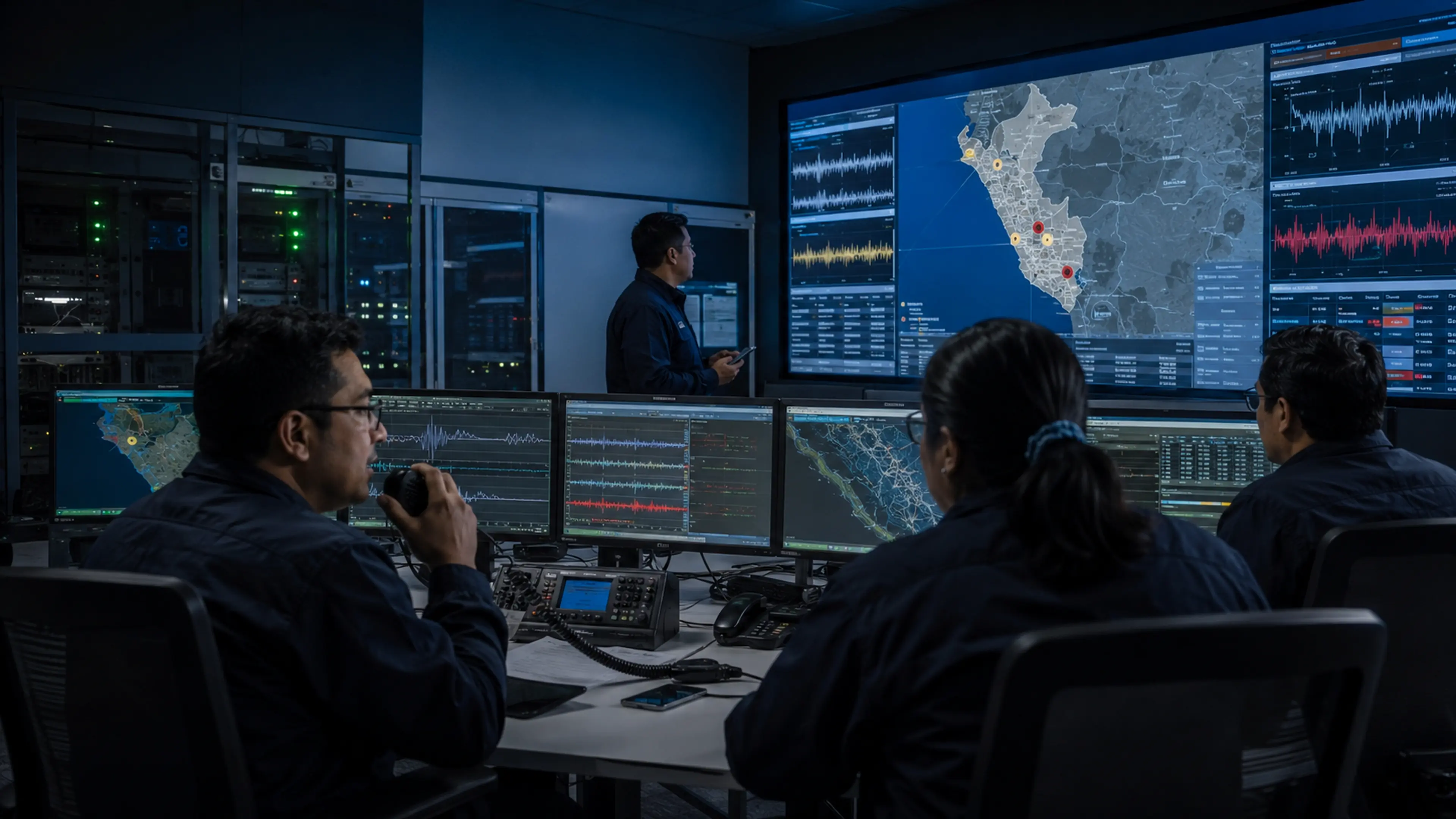
SAT SYSTEM / HAZARD
Earthquake EWS
Local infrastructure for receiving, disseminating and automating responses to seismic warnings.
- Operational outcome
- Shortens the path from warning reception to protocol execution.
- Applications
- Government, education, healthcare and critical infrastructure
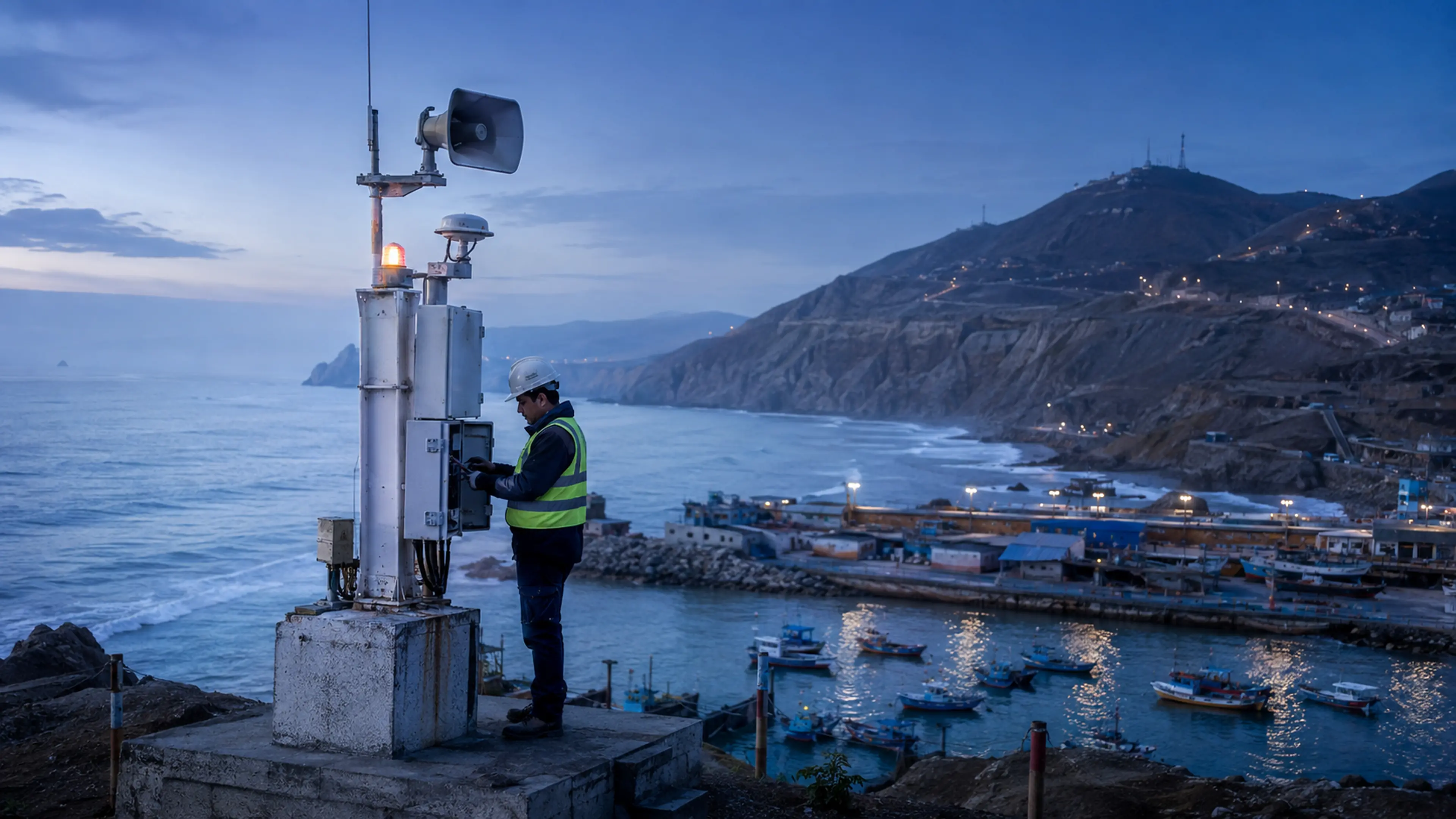
SAT SYSTEM / HAZARD
Tsunami EWS
Territorial monitoring and zone-based dissemination for exposed coastal communities and assets.
- Operational outcome
- Communicates differentiated instructions by evacuation zone.
- Applications
- Municipalities, ports, hotels and communities
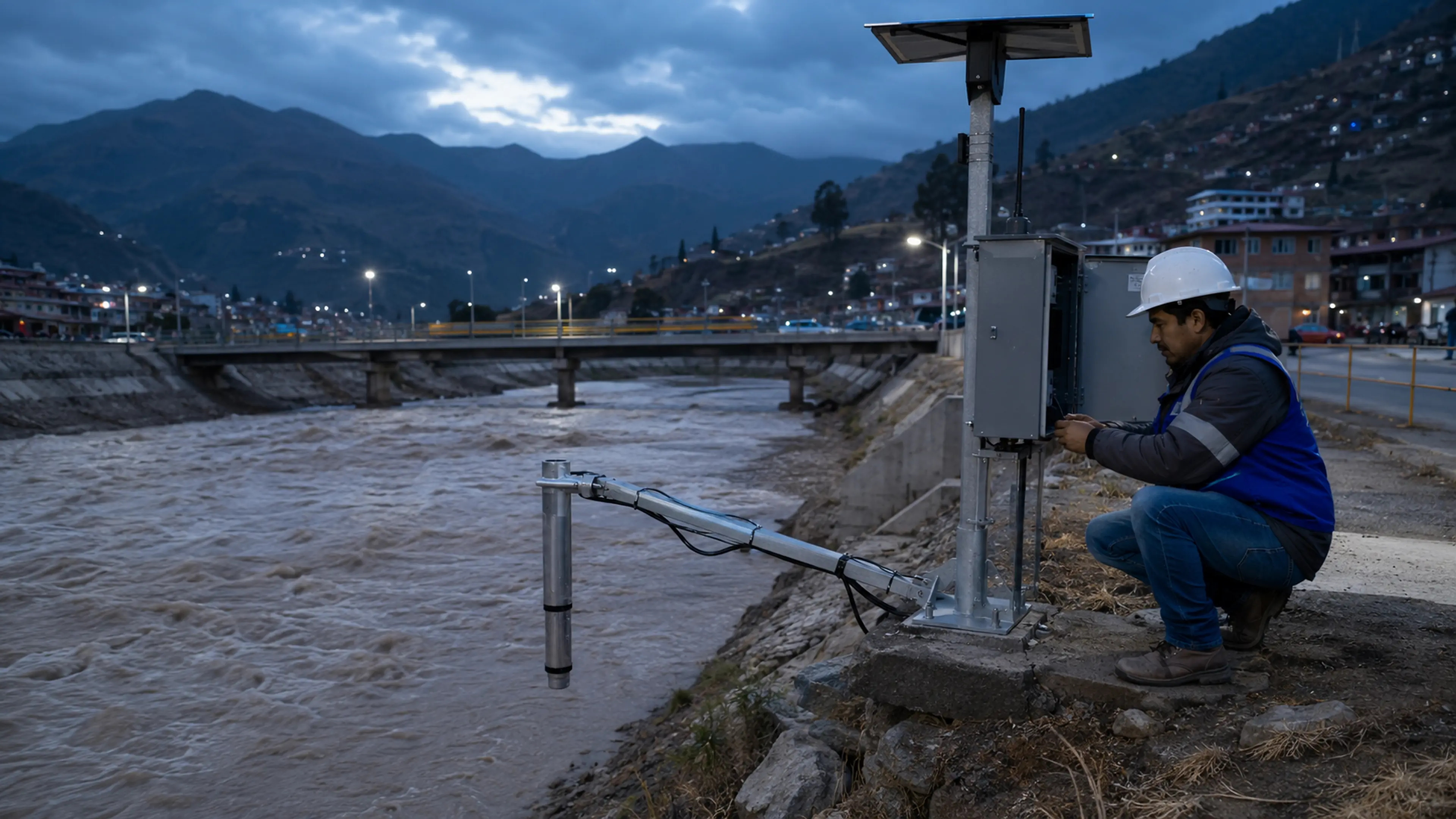
SAT SYSTEM / HAZARD
Flood EWS
Integration of sources, water levels, vulnerable zones and multichannel warnings for rising water.
- Operational outcome
- Turns hydrological information into operational warnings and actions.
- Applications
- Government, energy, industry and communities
SAT SYSTEM / HAZARD
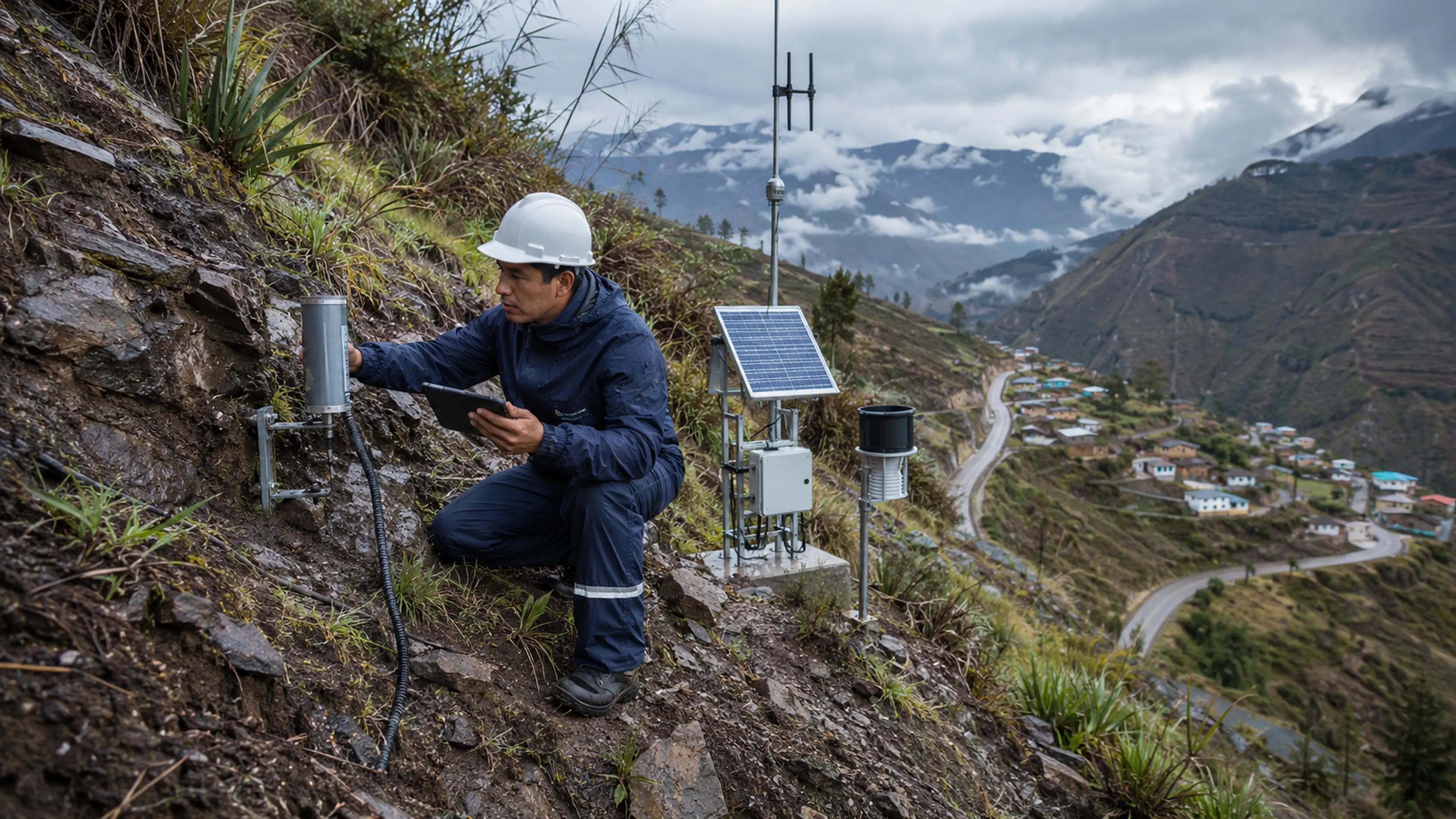
Landslide and debris-flow EWS
Monitoring of ravines and slopes with resilient communications to at-risk areas.
- Operational outcome
- Strengthens response in territories with limited connectivity.
- Applications
- Municipalities, transport, mining and communities
SAT SYSTEM / HAZARD
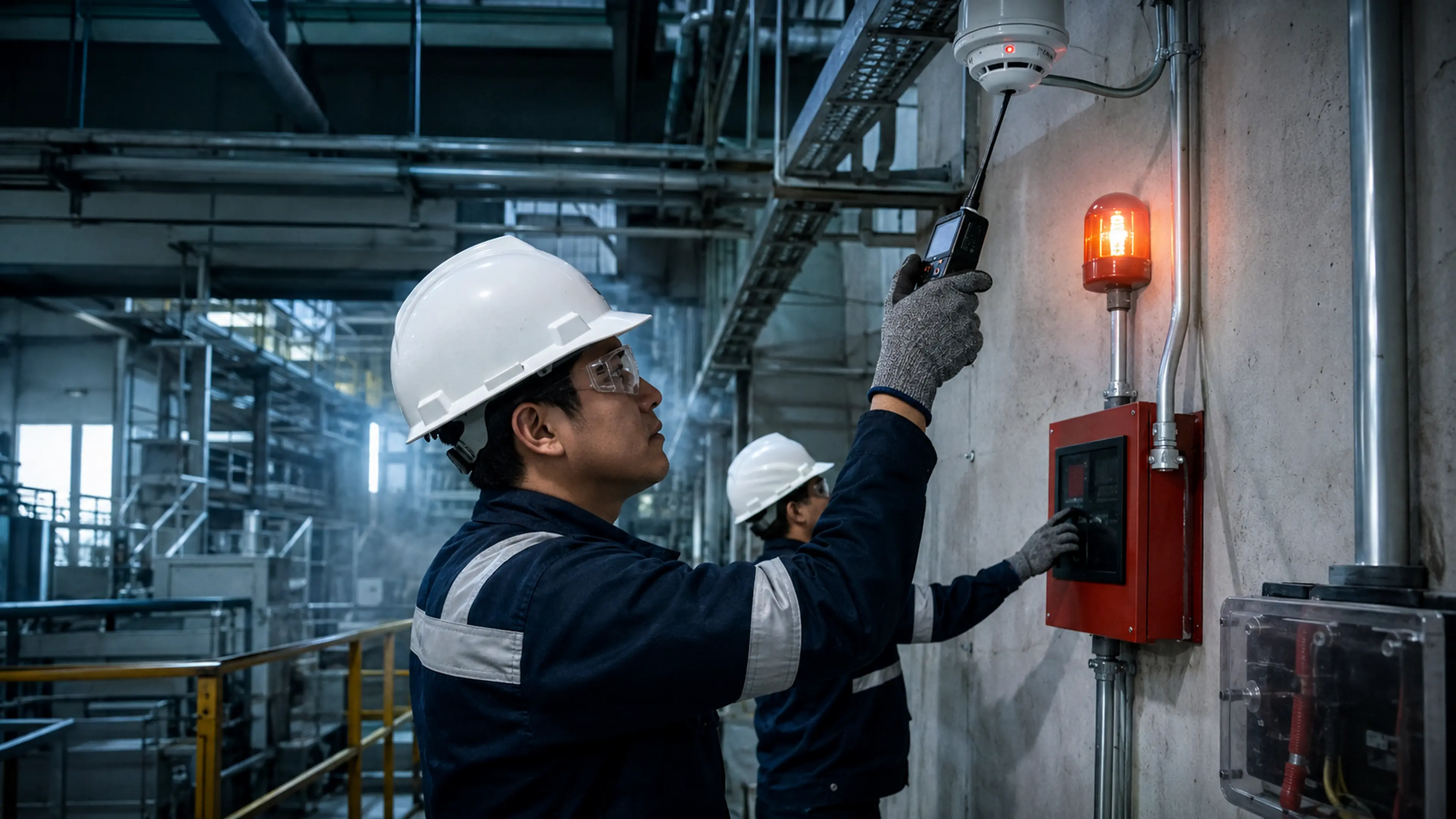
Fire warning
Integration of detection, notification and protocol activation for facilities and territory.
- Operational outcome
- Coordinates warnings, signaling and emergency equipment.
- Applications
- Industry, hotels, healthcare and critical infrastructure
SAT SYSTEM / HAZARD
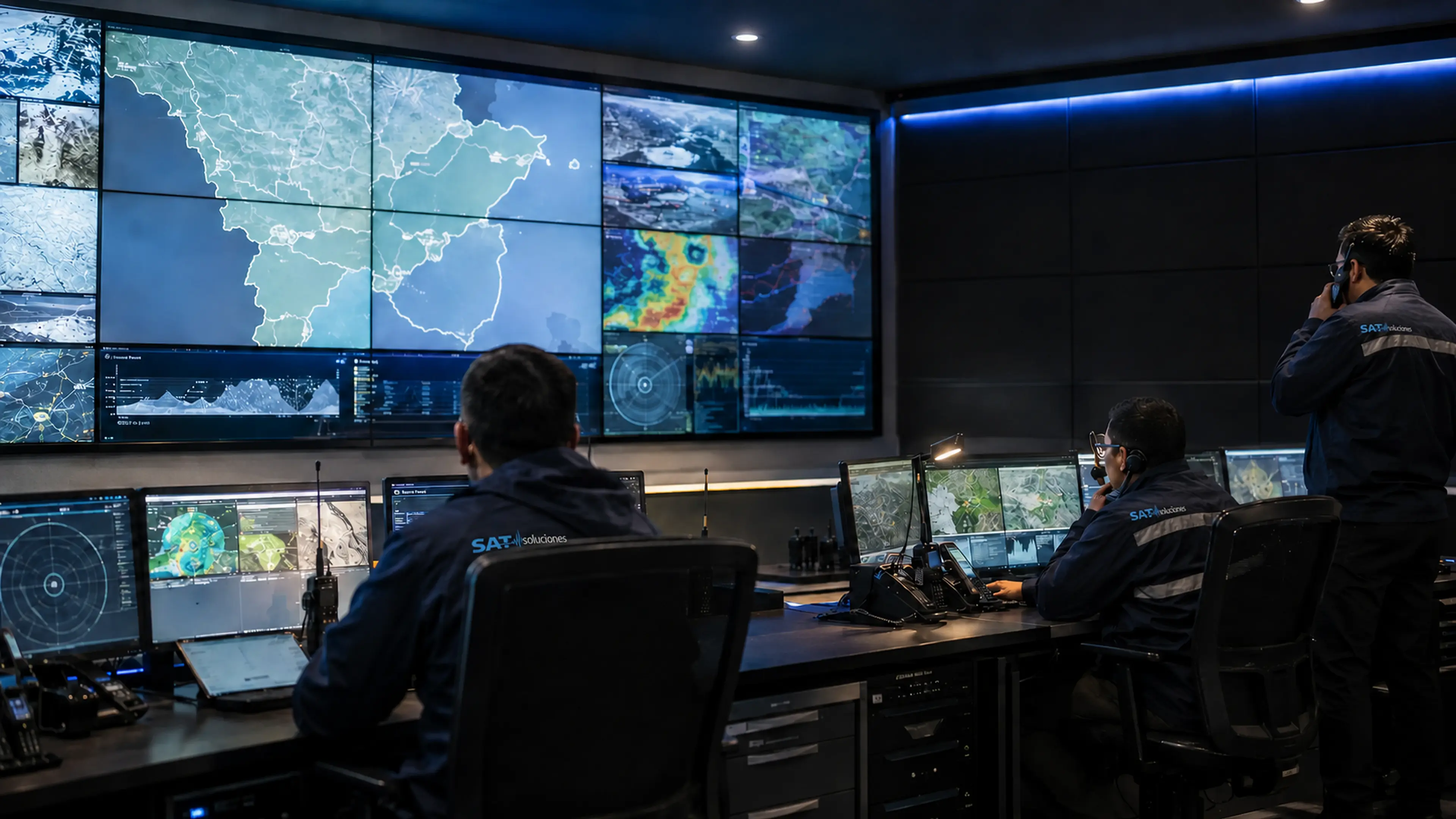
Multi-hazard EWS
A common architecture for events, devices, zones and protocols across multiple hazards.
- Operational outcome
- Avoids isolated platforms and supports coordinated operations.
- Applications
- Government, enterprises and operation centers
AVAILABLE ARCHITECTURES
Cross-functional capabilities
SAT SYSTEM / CAPABILITY
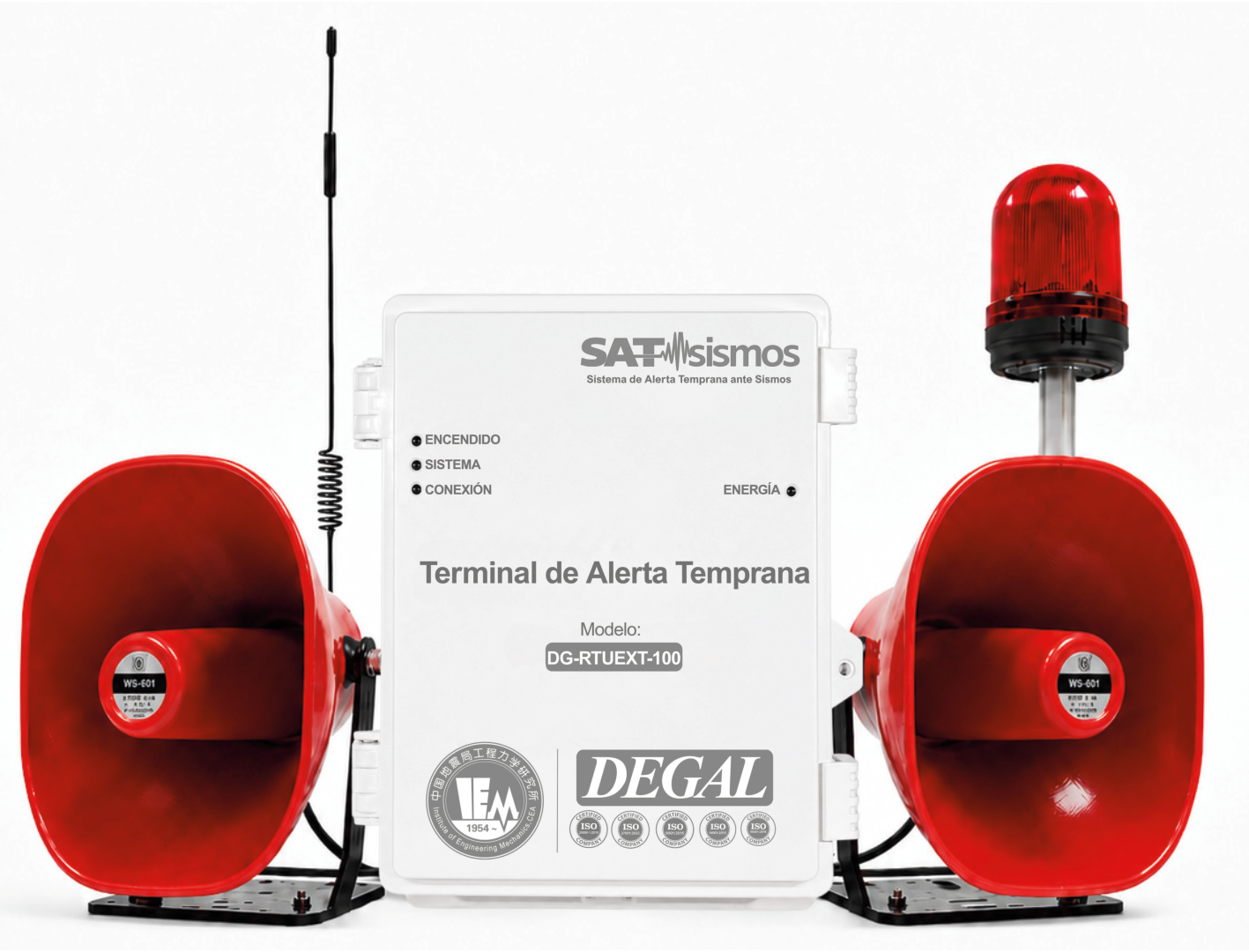
Intelligent dissemination
Audible, visual and digital warnings targeted by location, group and exposure level.
- Operational outcome
- Delivers the right message to the right recipient.
- Applications
- Public spaces, enterprises, campuses and facilities
SAT SYSTEM / CAPABILITY
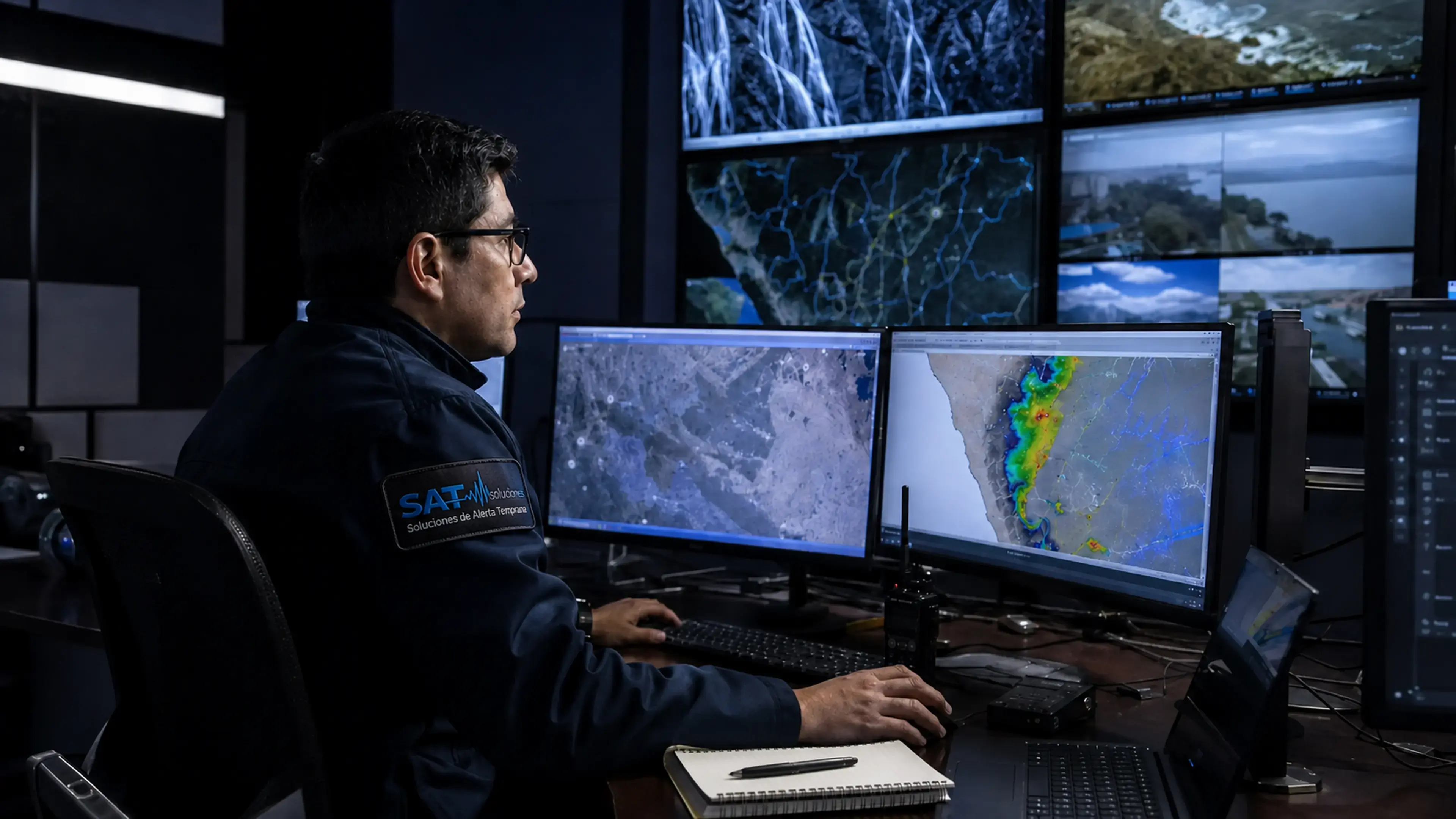
Territorial monitoring
Map-based visualization of hazards, assets, zones, events and connected equipment.
- Operational outcome
- Provides a shared operating picture for contextual decisions.
- Applications
- Government, mining, energy and transport
SAT SYSTEM / CAPABILITY
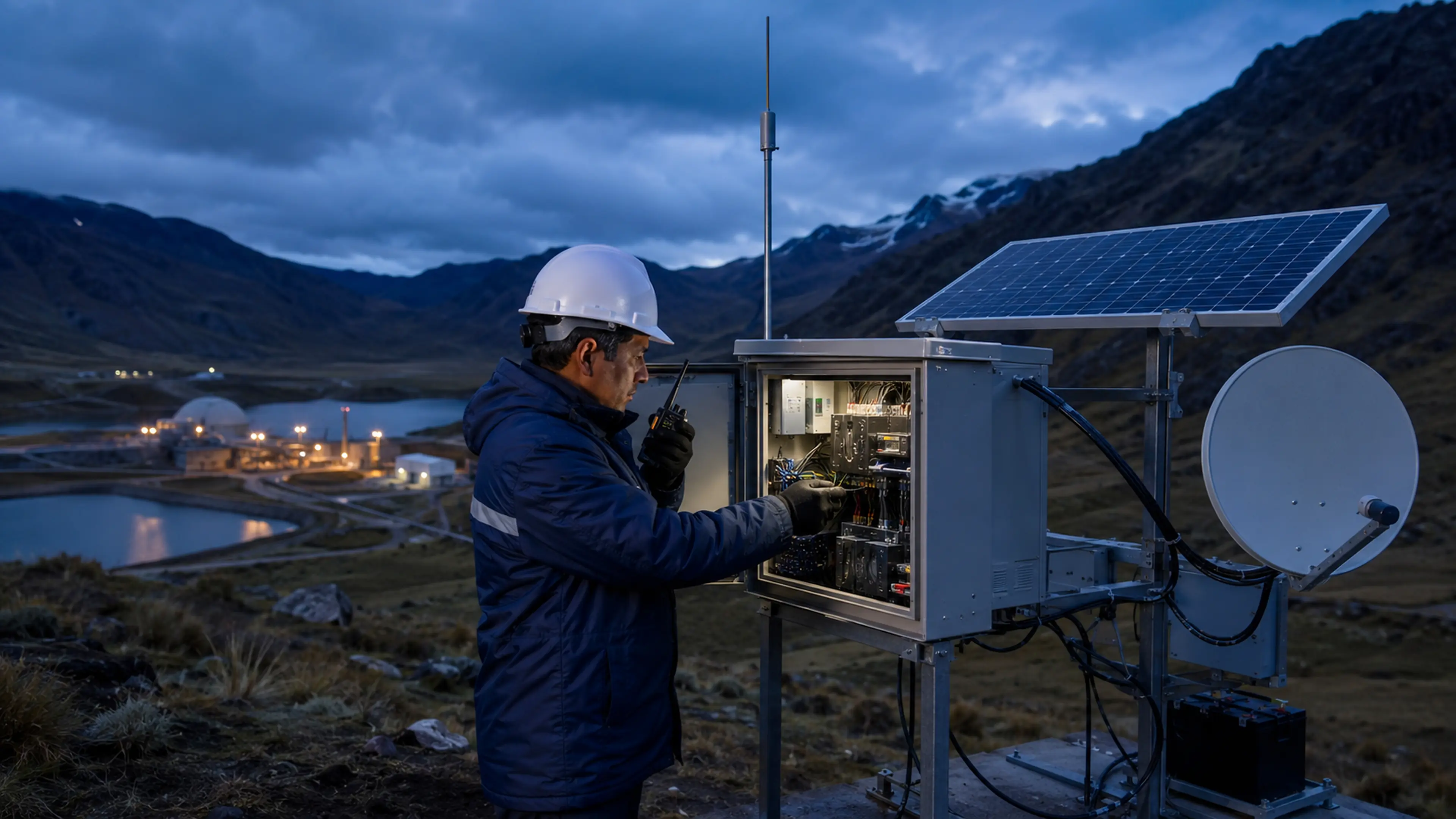
Resilient communications
Multichannel design using 4G, Ethernet, Wi-Fi, VHF, LoRa and satellite options.
- Operational outcome
- Maintains alternative routes when one channel is degraded.
- Applications
- Remote territories and critical infrastructure
SAT SYSTEM / CAPABILITY
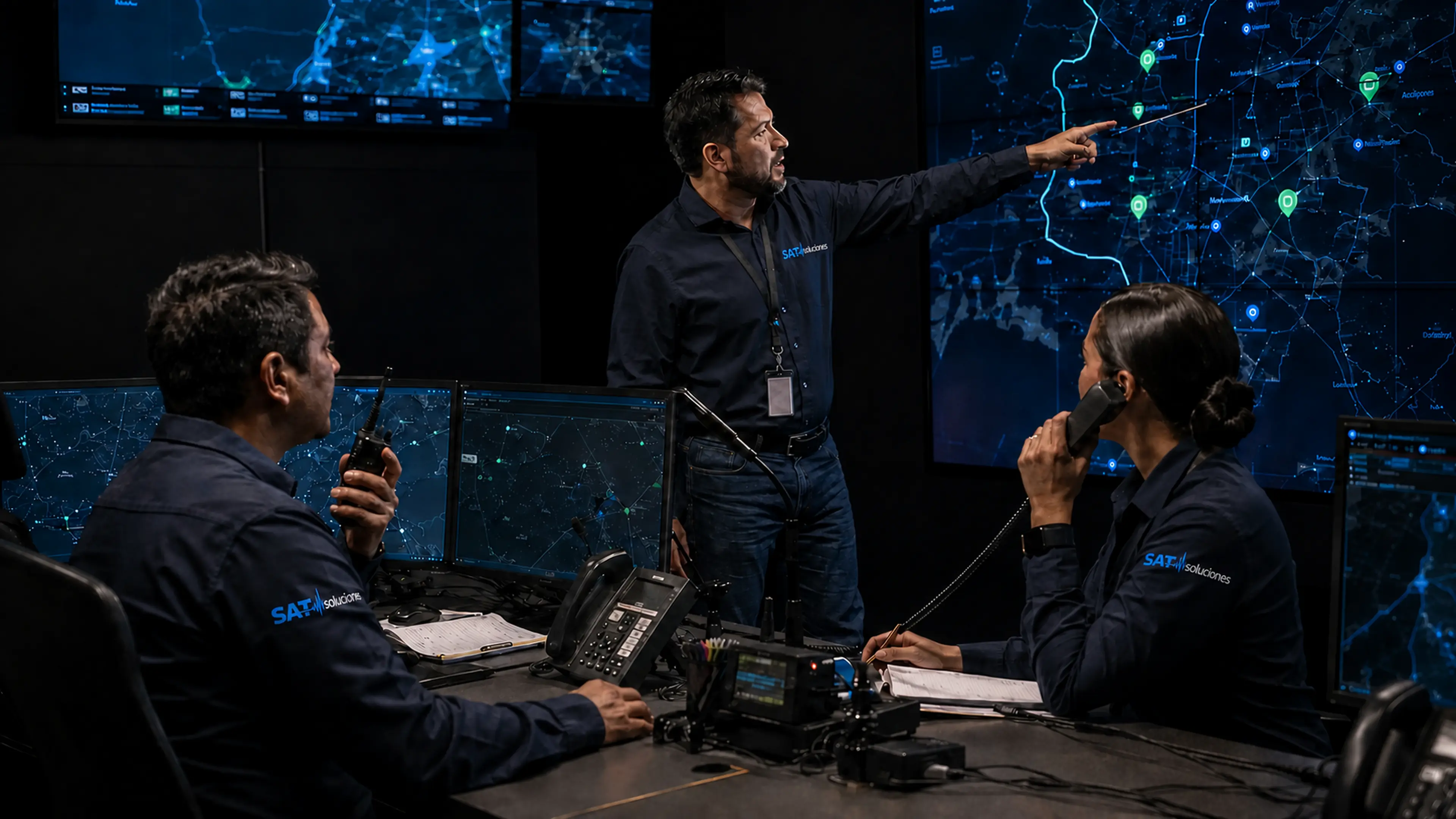
Safety automation
Authorized activation of valves, doors, signaling and processes according to protocols.
- Operational outcome
- Turns a warning into verifiable physical actions.
- Applications
- Industry, energy, retail and buildings
SAT SYSTEM / CAPABILITY
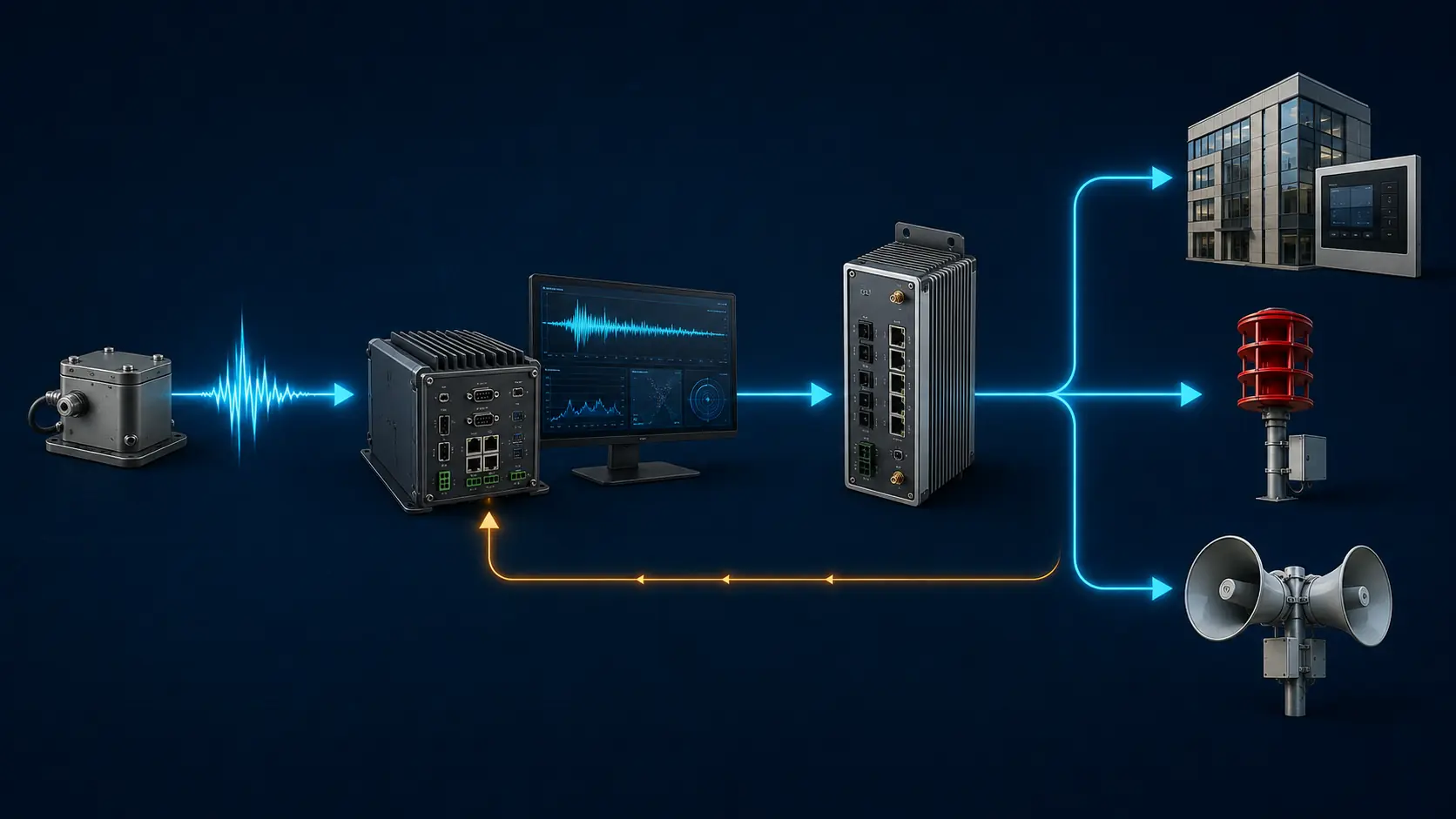
API integration
Secure exchange of events, states and warnings with existing systems.
- Operational outcome
- Connects operations without replacing the customer’s tools.
- Applications
- Organizations, control centers and critical operations
FROM SYSTEM TO ENVIRONMENT
The same engineering, adapted to each operation
Every environment combines its own risks, coverage, communications and protocols. Select an application to review its operating architecture.
APPLICATION ENVIRONMENTS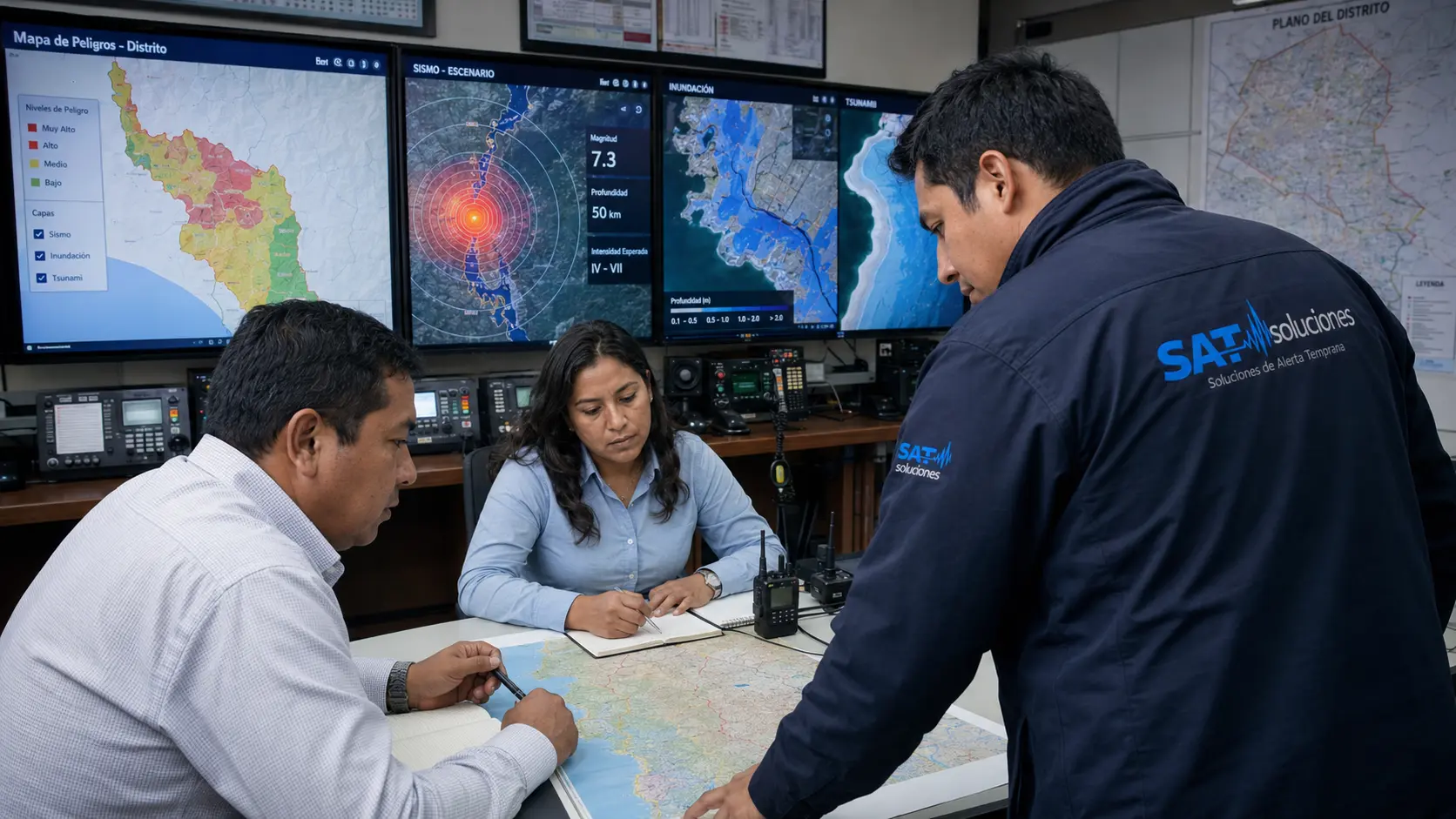
OPERATING ENVIRONMENT
Governments and municipalities
Coordinate zones, populations, resources and protocols across agencies.
- Frequent risks
- Earthquakes, floods, tsunamis and territorial events.
- Applicable architecture
- Multi-hazard platform, dissemination points and targeted warnings.
OPERATING ENVIRONMENT
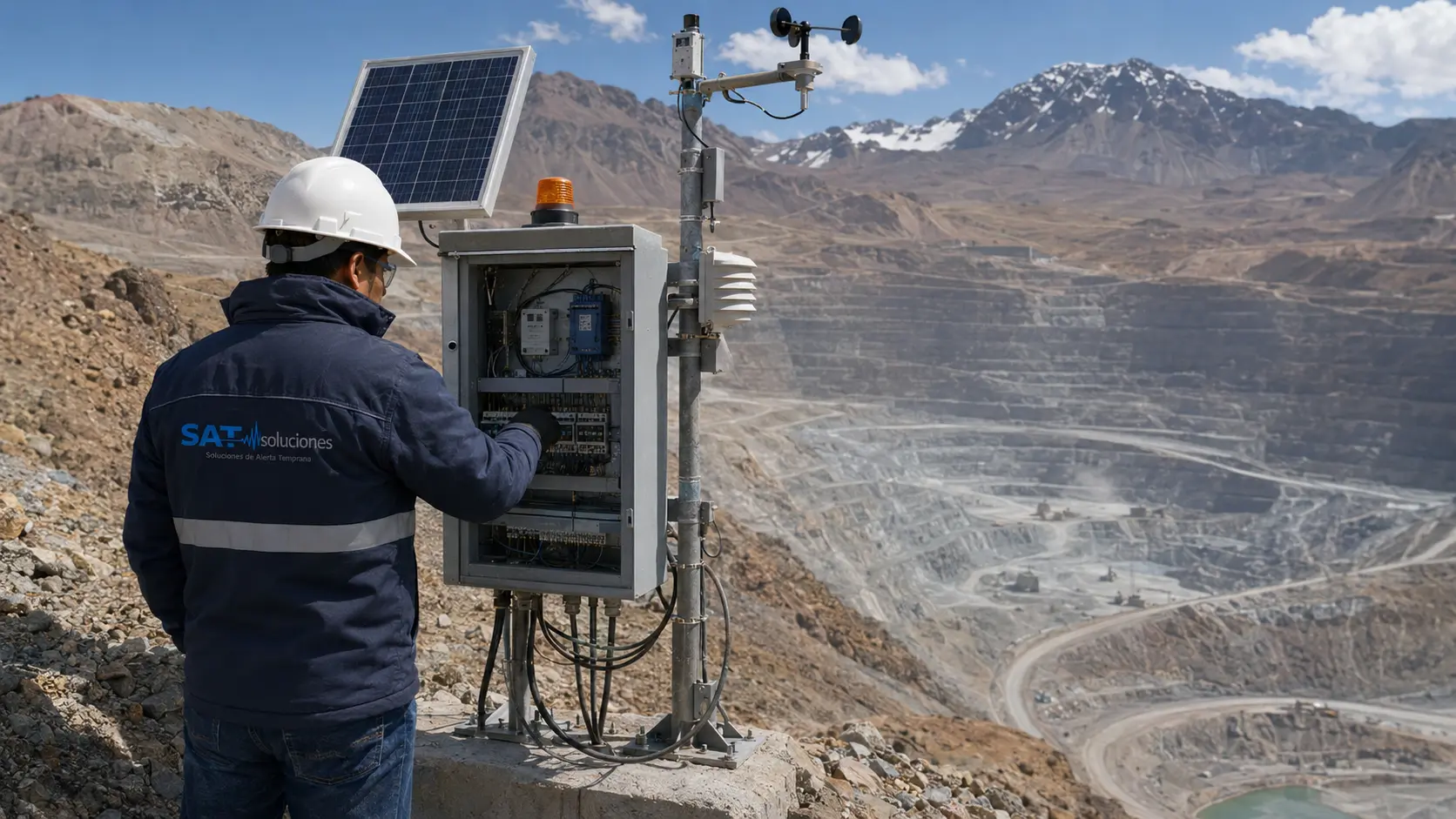
Mining
Warn camps, pits, plants and routes through redundant communications.
- Frequent risks
- Earthquakes, landslides, rainfall and operational failures.
- Applicable architecture
- Industrial RTU, automation and territorial monitoring.
OPERATING ENVIRONMENT
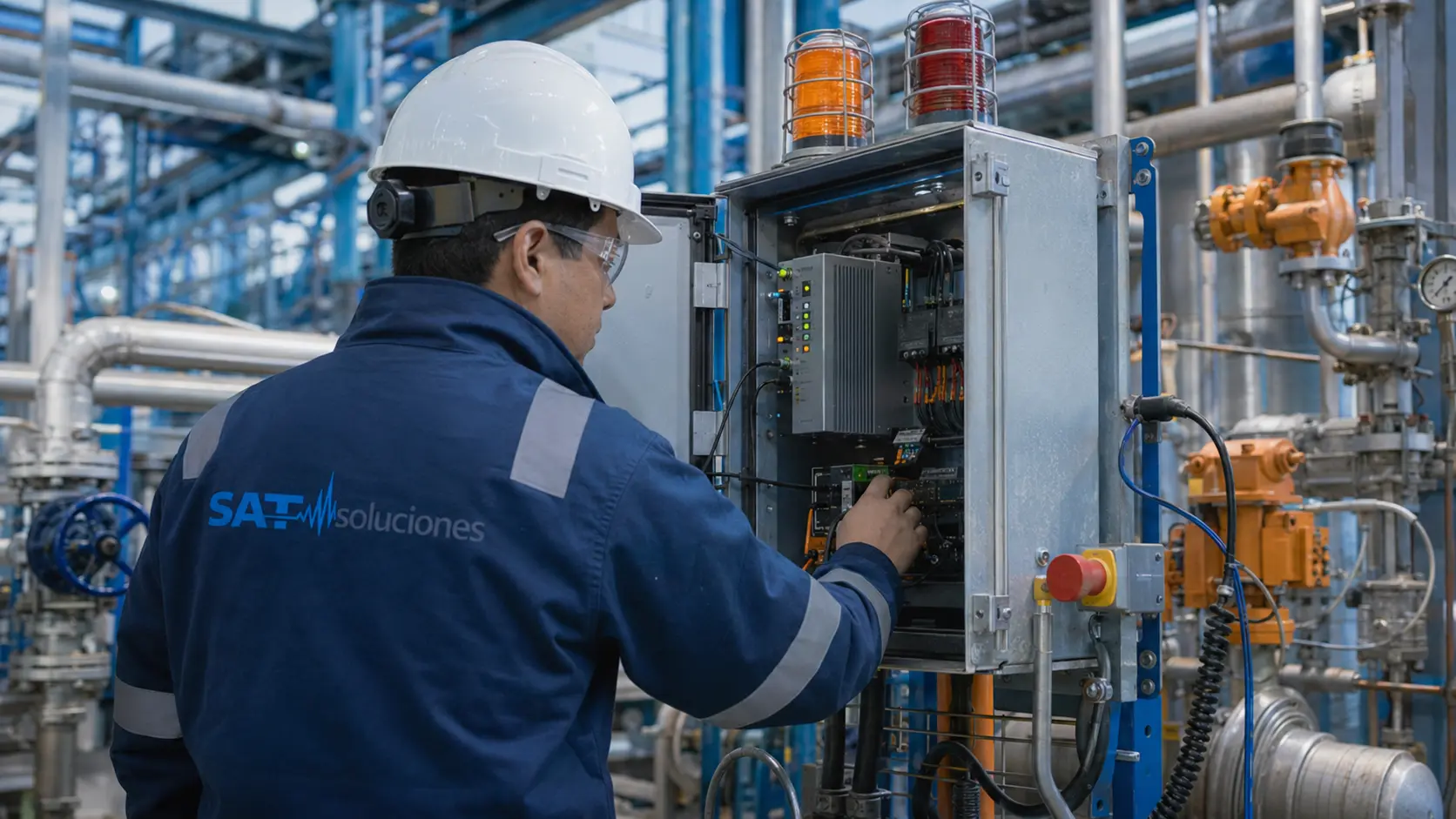
Industry
Integrate warnings with processes, valves, doors and signaling.
- Frequent risks
- Fire, leaks, earthquakes and uncontrolled shutdowns.
- Applicable architecture
- Automation, API and control RTUs.
OPERATING ENVIRONMENT
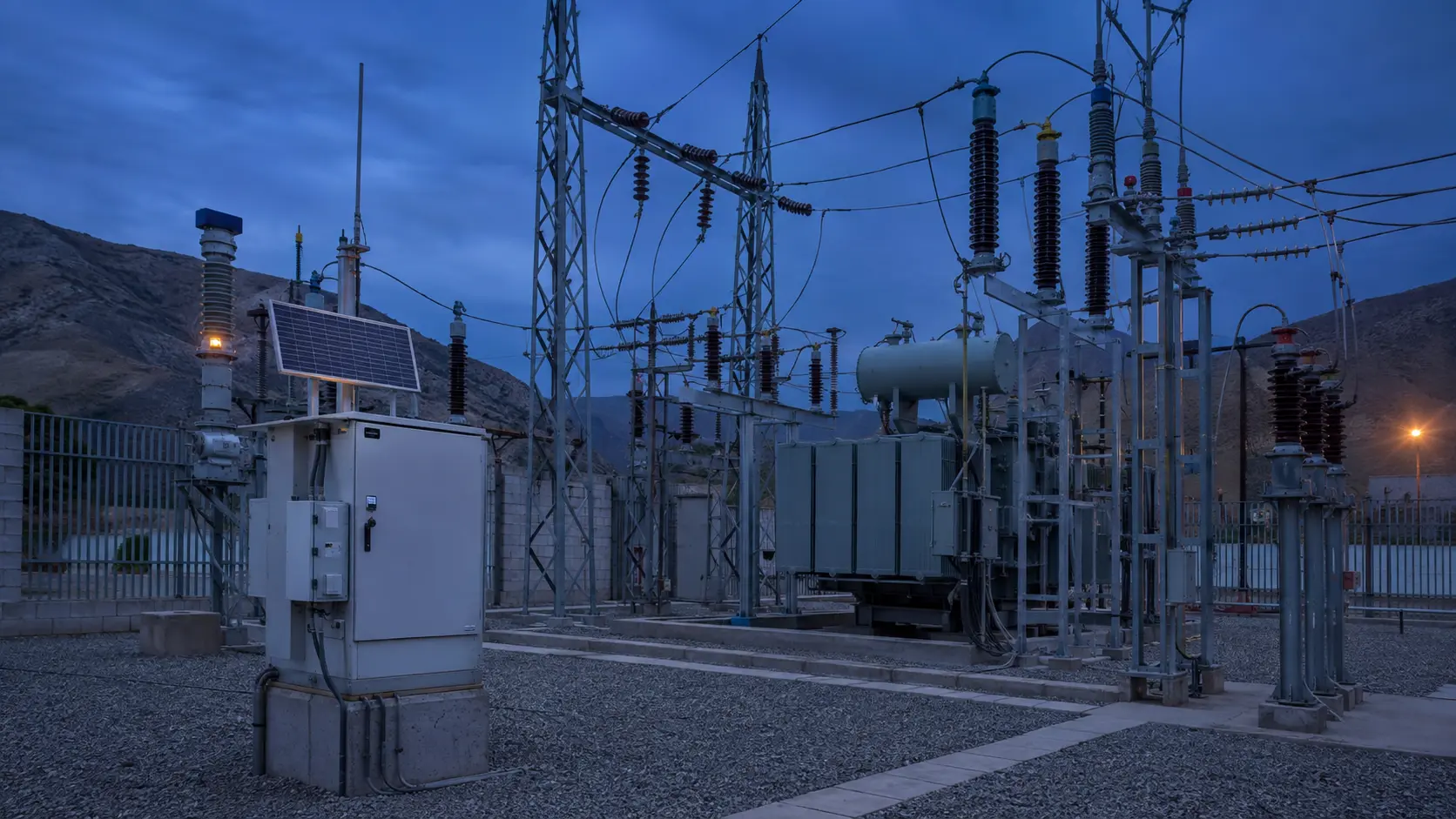
Energy and utilities
Protect distributed facilities and service continuity.
- Frequent risks
- Outages, fire, floods and seismic events.
- Applicable architecture
- Resilient communications and supervised remote control.
OPERATING ENVIRONMENT
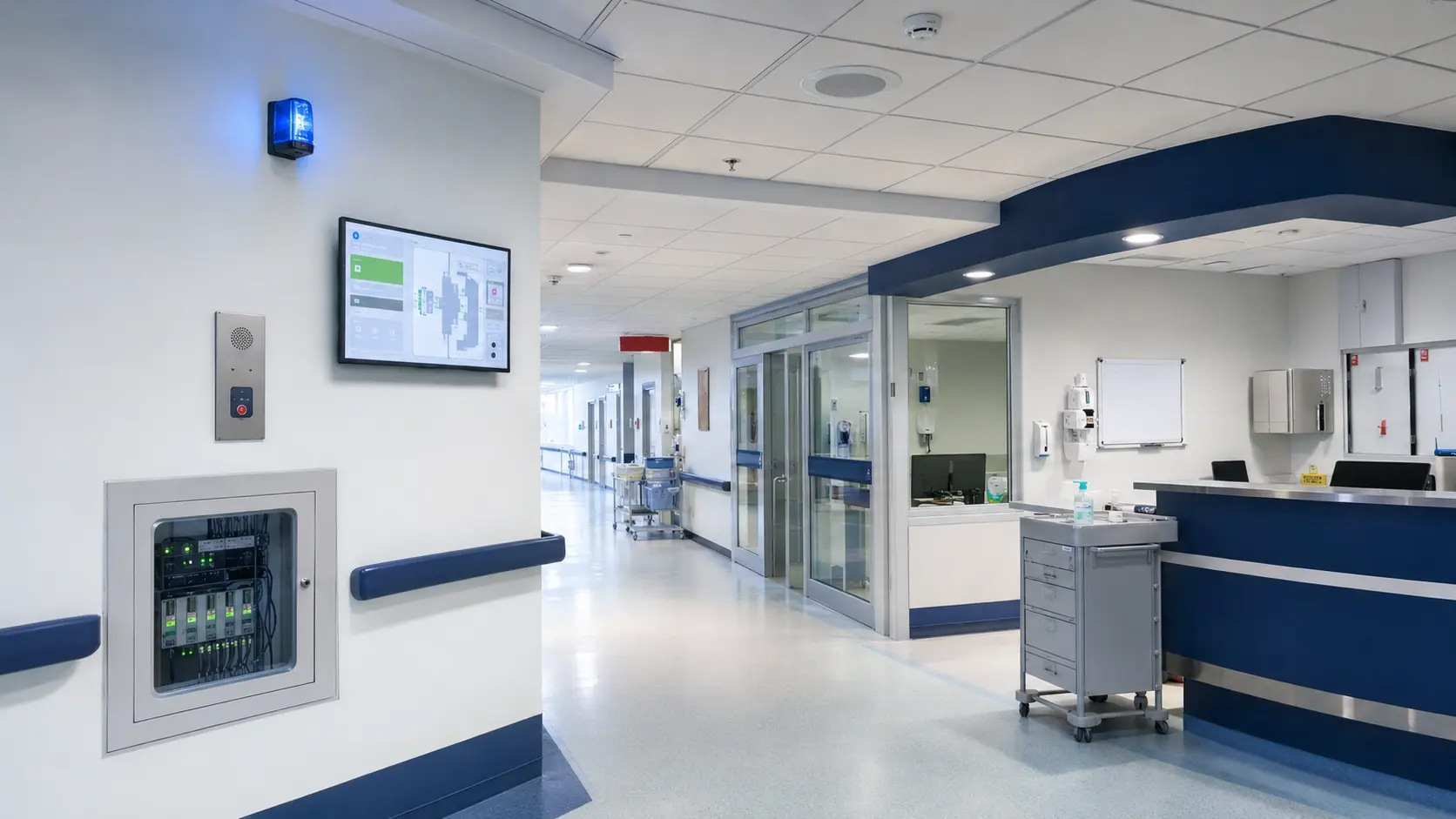
Healthcare
Warn by area without interrupting critical clinical functions.
- Frequent risks
- Earthquakes, fire and essential-service failures.
- Applicable architecture
- Targeted dissemination, signage and backup power.
OPERATING ENVIRONMENT
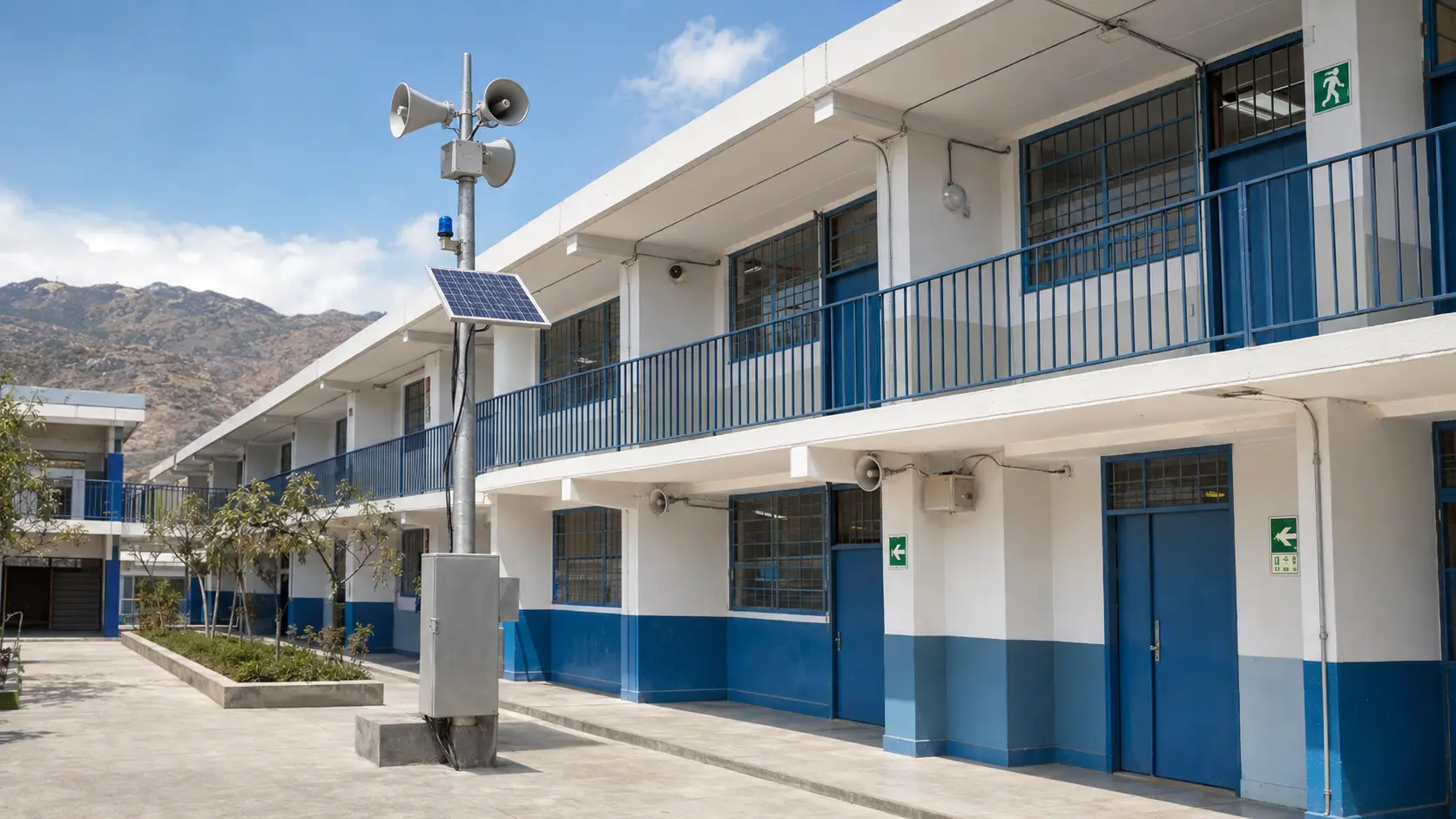
Education
Deliver clear instructions to classrooms, yards and exit routes.
- Frequent risks
- Earthquakes, fire and mass evacuation.
- Applicable architecture
- Outdoor RTUs, smart lights and connected signage.
OPERATING ENVIRONMENT
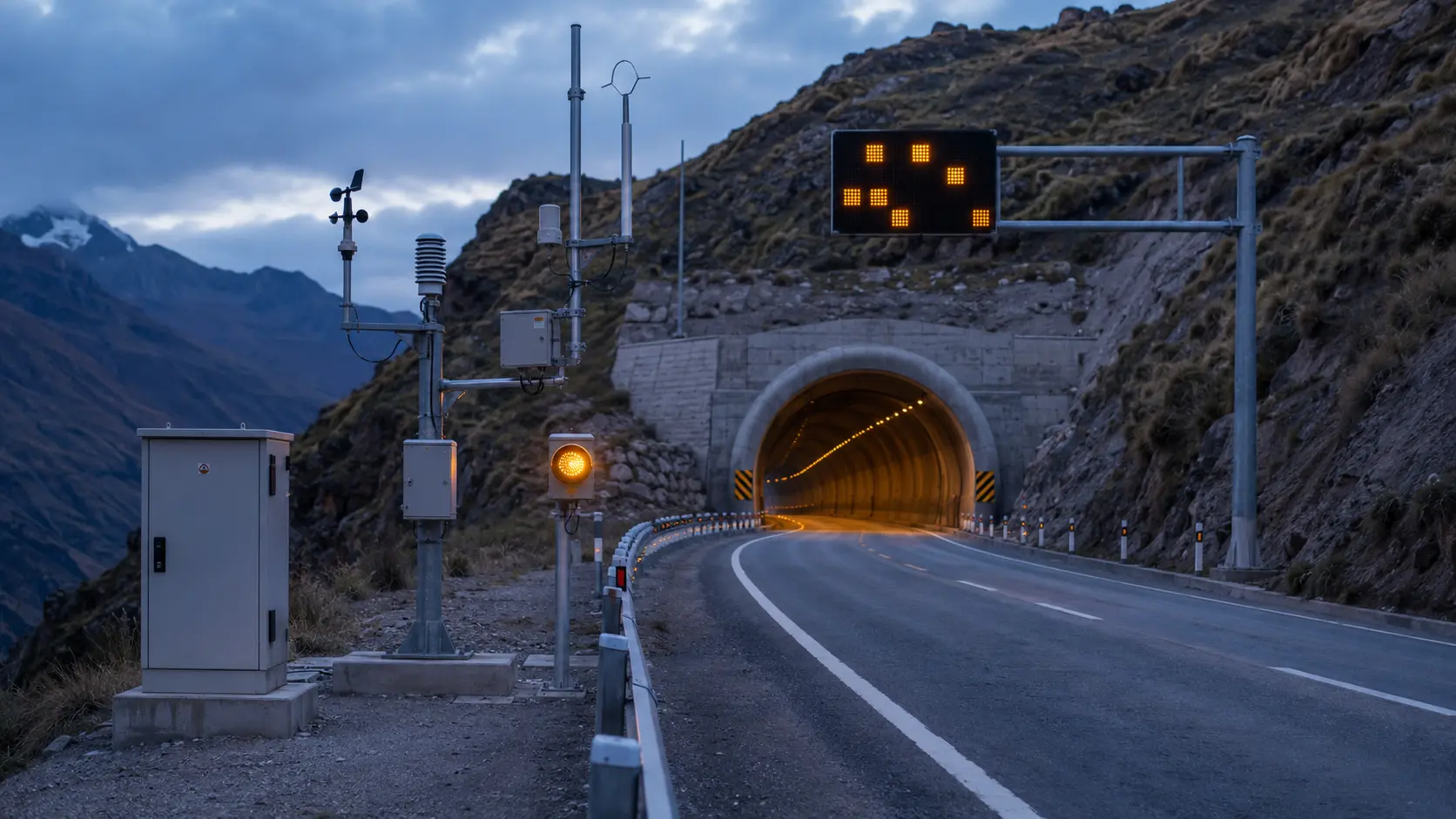
Transport
Communicate with control centers, terminals and users.
- Frequent risks
- Earthquakes, debris flows, floods and blocked routes.
- Applicable architecture
- Territorial monitoring and multichannel warnings.

OPERATING ENVIRONMENT
Airports
Coordinate terminals, airside operations and restricted areas.
- Frequent risks
- Weather, earthquakes, fire and operational safety events.
- Applicable architecture
- Existing-system integration and zone-based dissemination.
OPERATING ENVIRONMENT
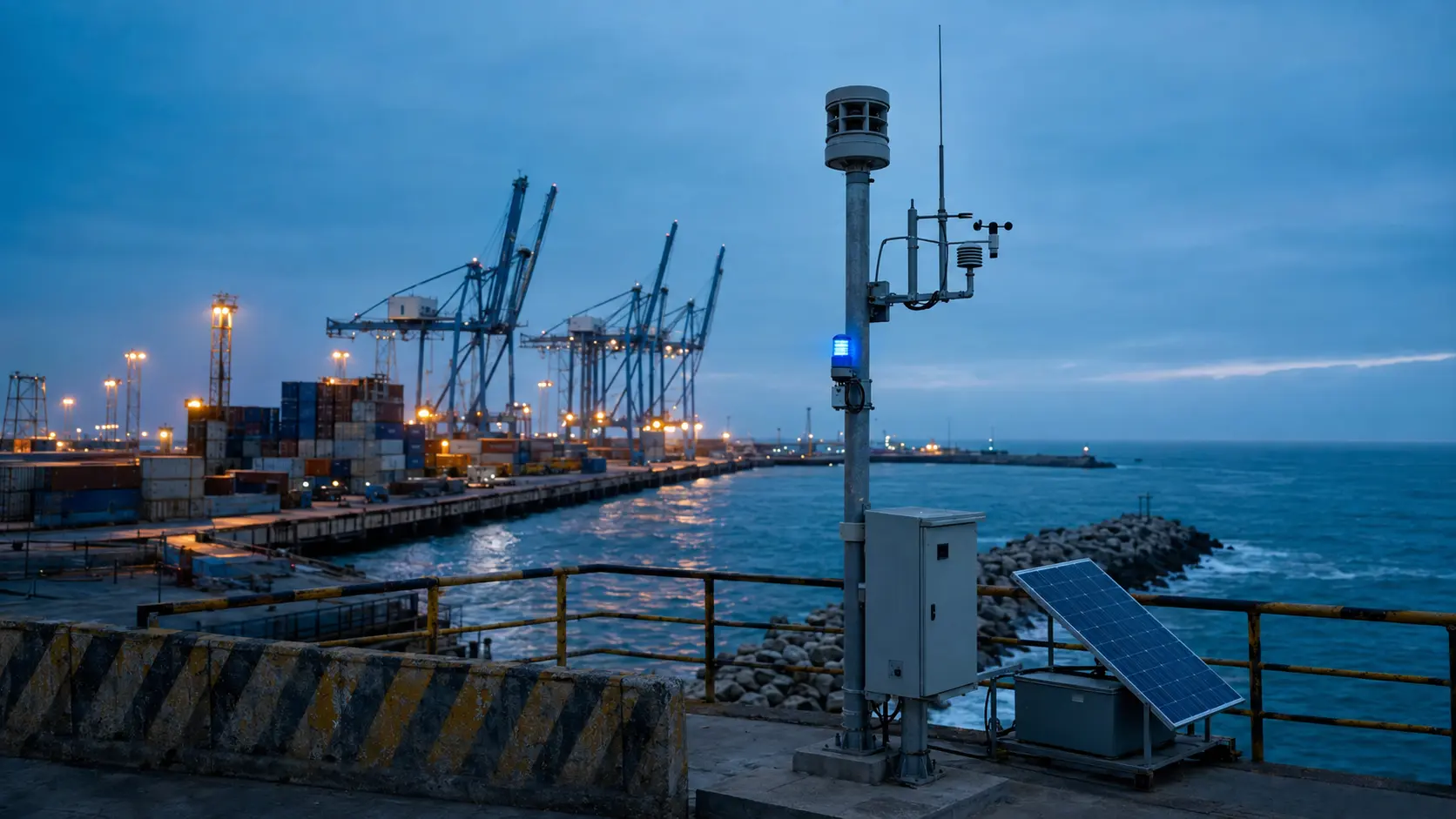
Ports
Warn docks, yards, vessels and nearby communities.
- Frequent risks
- Tsunamis, swells, earthquakes and hazardous materials.
- Applicable architecture
- Tsunami EWS, VHF and dissemination points.
OPERATING ENVIRONMENT
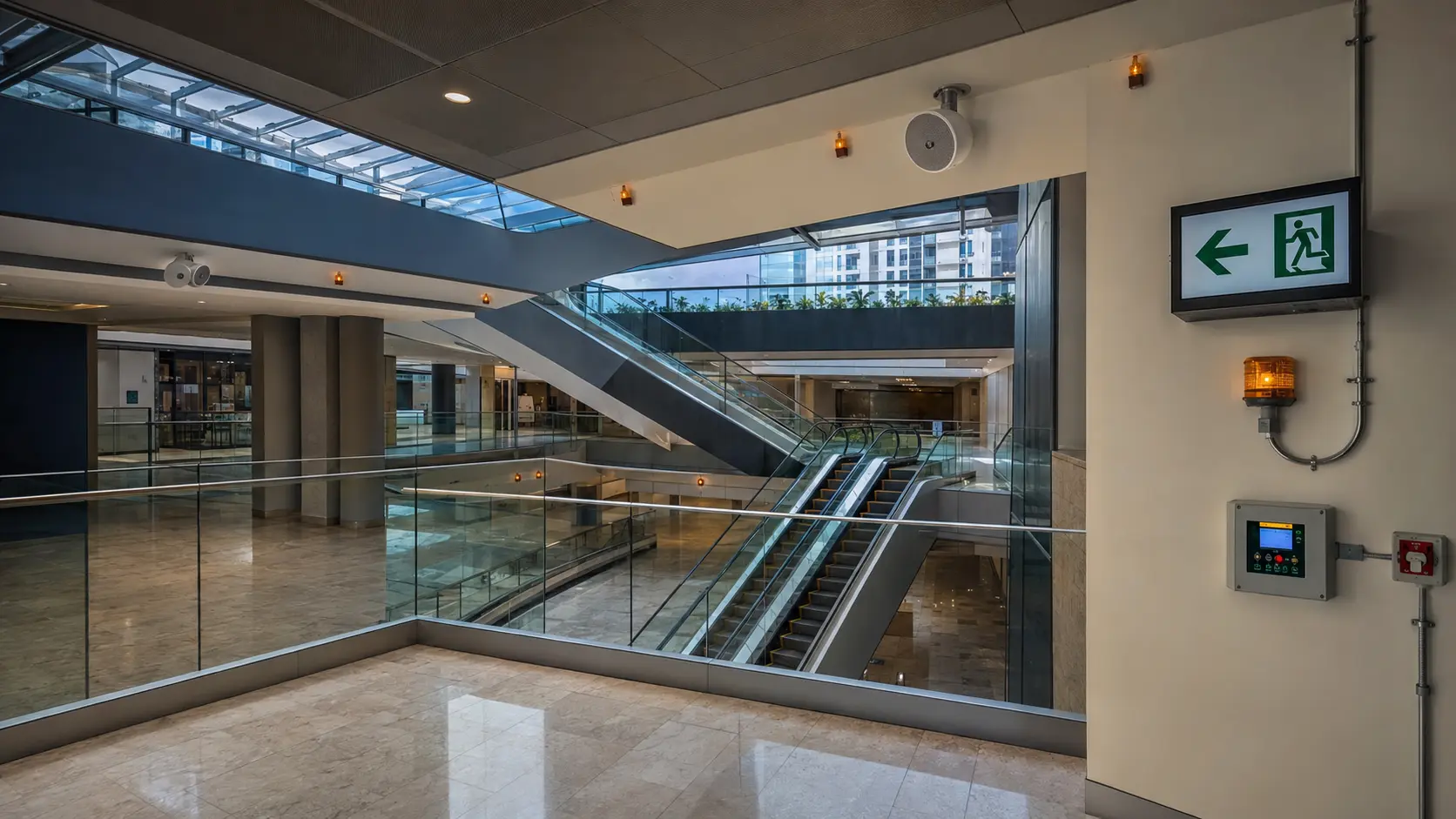
Shopping centers
Open routes, control elevators and guide the public.
- Frequent risks
- Earthquakes, fire and high-occupancy evacuation.
- Applicable architecture
- Automation, signaling and targeted messages.
OPERATING ENVIRONMENT
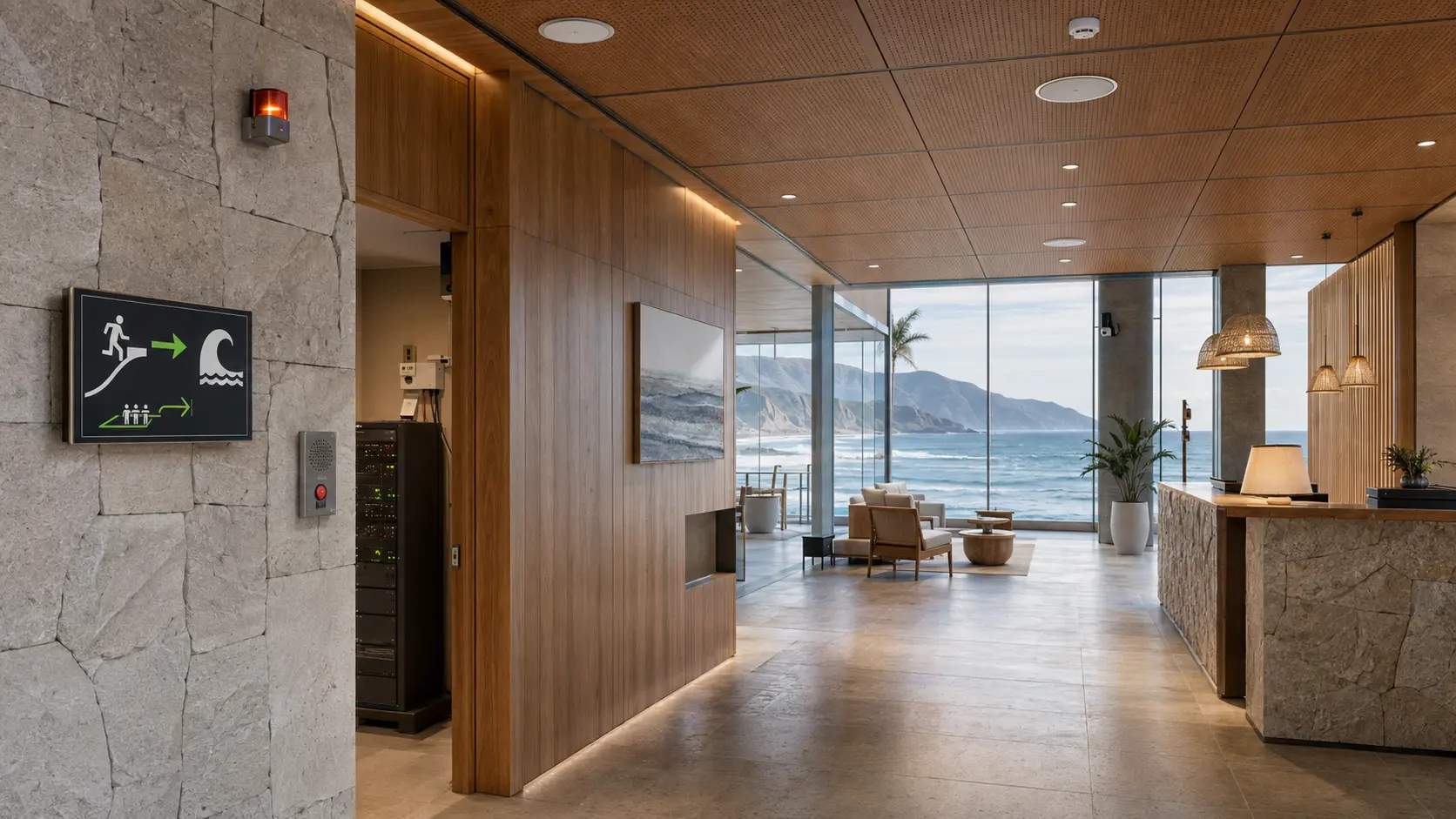
Hotels
Communicate multilingual instructions by floor and zone.
- Frequent risks
- Earthquakes, tsunamis, fire and unfamiliar guests.
- Applicable architecture
- Intelligent dissemination and evacuation signage.
OPERATING ENVIRONMENT
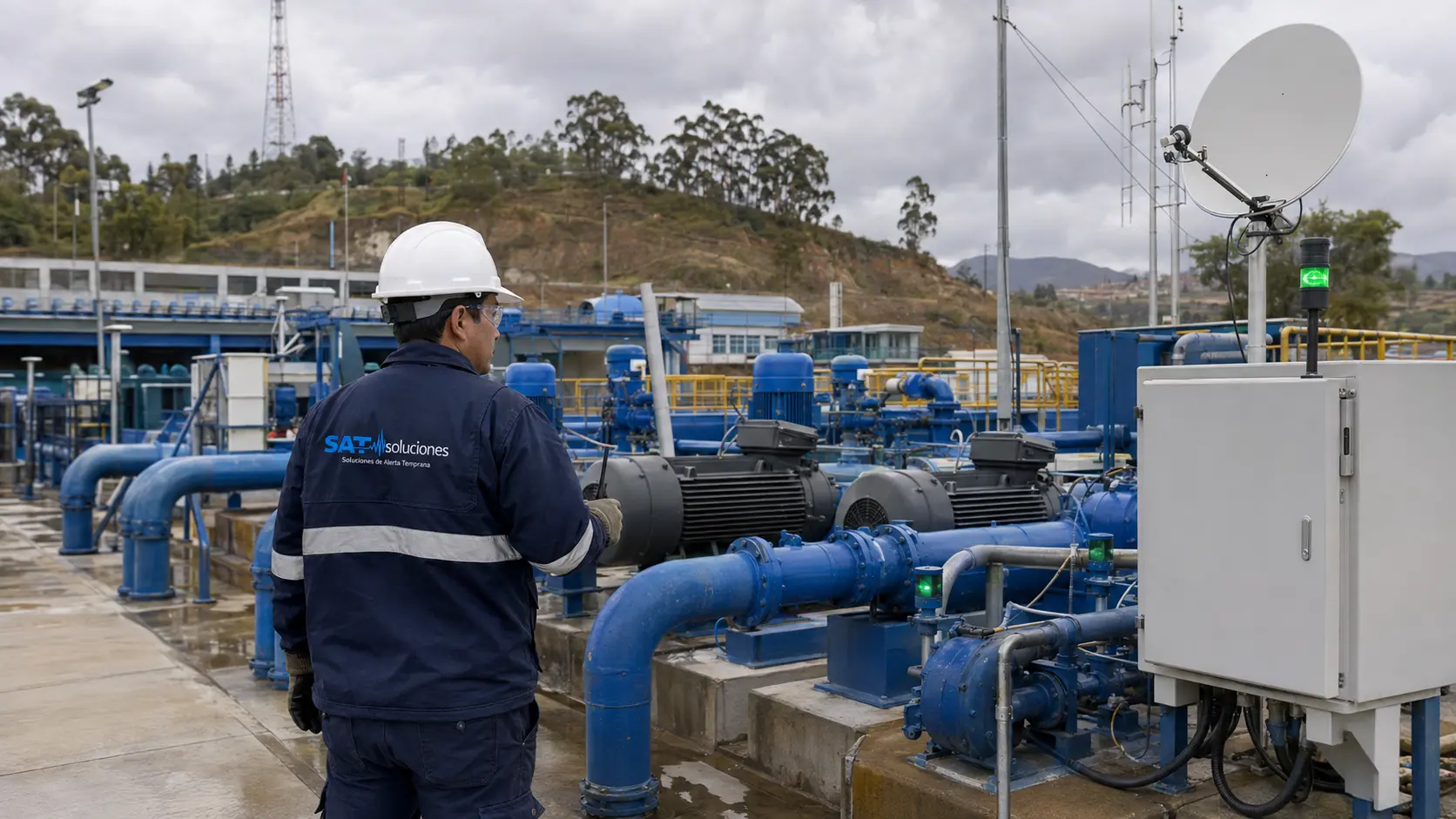
Critical infrastructure
Maintain warning, command and traceability through network failures.
- Frequent risks
- Multiple hazards affecting essential services.
- Applicable architecture
- Redundant architecture, industrial RTUs and API integration.
OPERATING ENVIRONMENT
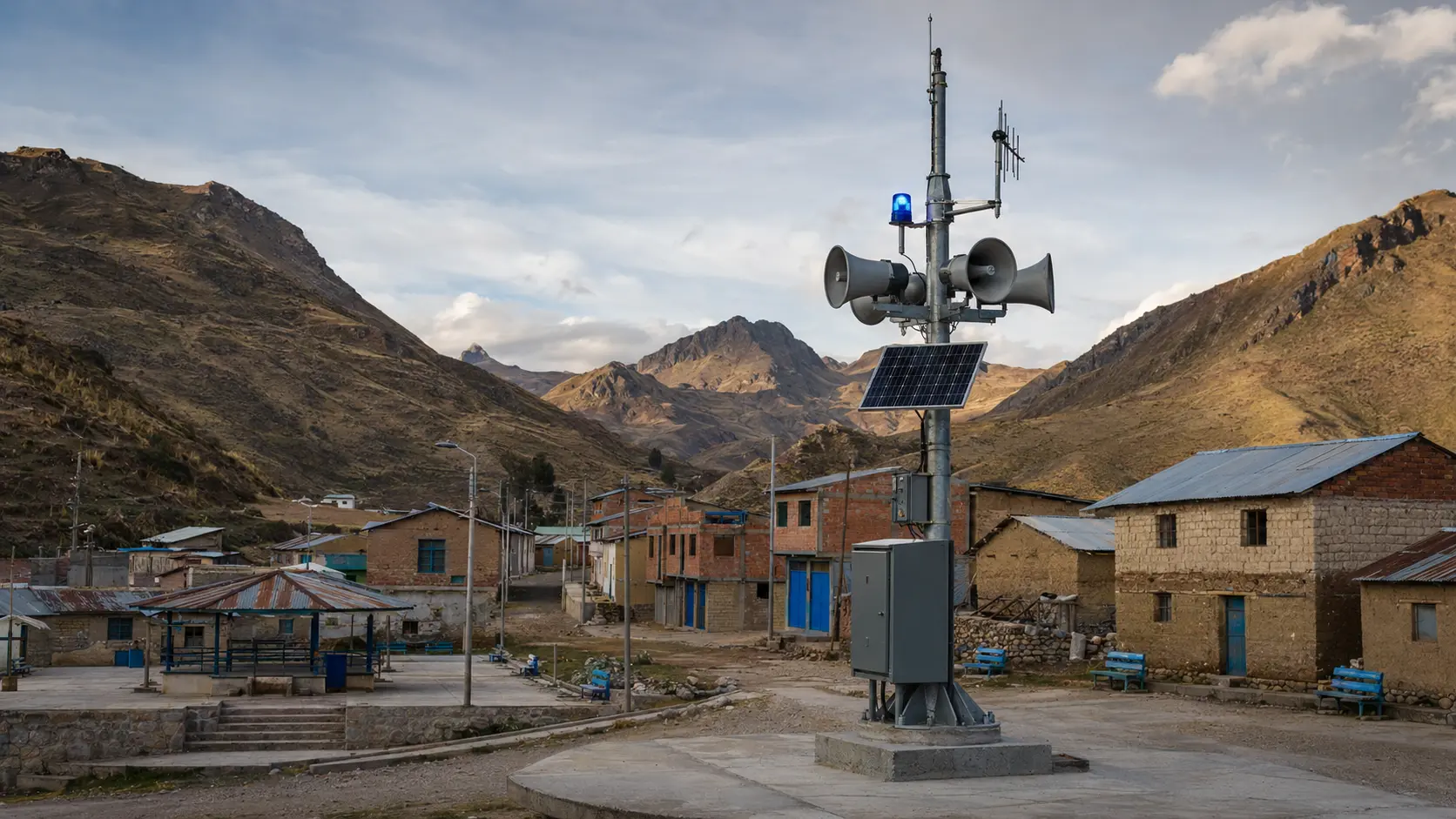
Communities
Receive understandable warnings through channels suited to the territory.
- Frequent risks
- Local hazards and limited connectivity.
- Applicable architecture
- Dissemination points, radio and autonomous power.